Cardiovascular disease (CVD) is one of the major causes of death worldwide, accounting for ~37% of global annual premature deaths due to non-communicable diseases. CVDs are usually associated with damage to large arteries and arteries in vital organs such as the heart, brain, and kidney.
Early detection, timely intervention, and efficient disease management is the best way to control CVDs and thereby reduce its risk for future adverse events.
Primary prevention strategies and most risk prediction methods for CVD currently use traditional risk factors such as hypertension, diabetes, dyslipidemia, and tobacco toxins. Their overall predictive performance, however, is suboptimal, and miss the early signs of vascular aging and disease progression that alter vascular properties even decades before dysregulation of conventional markers.
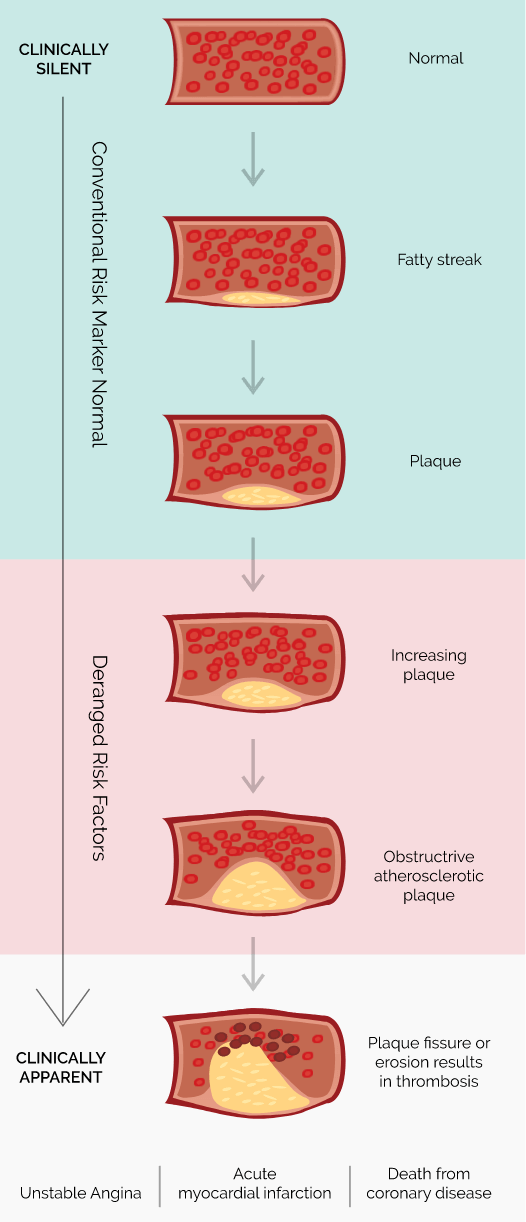
In the early stages of the disease, before the conventional markers get deranged, they initiate and promote structural changes in major arteries by impairing functions of the endothelium (the interior surface of blood vessels) and stiffening the central elastic arteries. Therefore, a combined assessment of early vascular physiological markers, viz. Large Artery Local Stiffness, Central-to-Peripheral Regional Vascular Stiffness, Vascular Age, and Central Arterial Blood Pressure offer a unique view of the underlying disease progression and more reliable estimates of the cumulative burden of future risks.
These non-invasive measures also provide a unique ability for risk assessment and following-up patients on the effects of medication and lifestyle changes and are increasingly explored by the research community for the validation of novel strategies for risk stratification.
Despite the solid background and strong scientific support, the need for ultrasound imaging devices supplemented by customized image analysis modules and expertise to perform measurements have prevented wide-spread adoption of these highly useful early vascular health markers. Such specific devices have not extensively infiltrated clinical practice.